
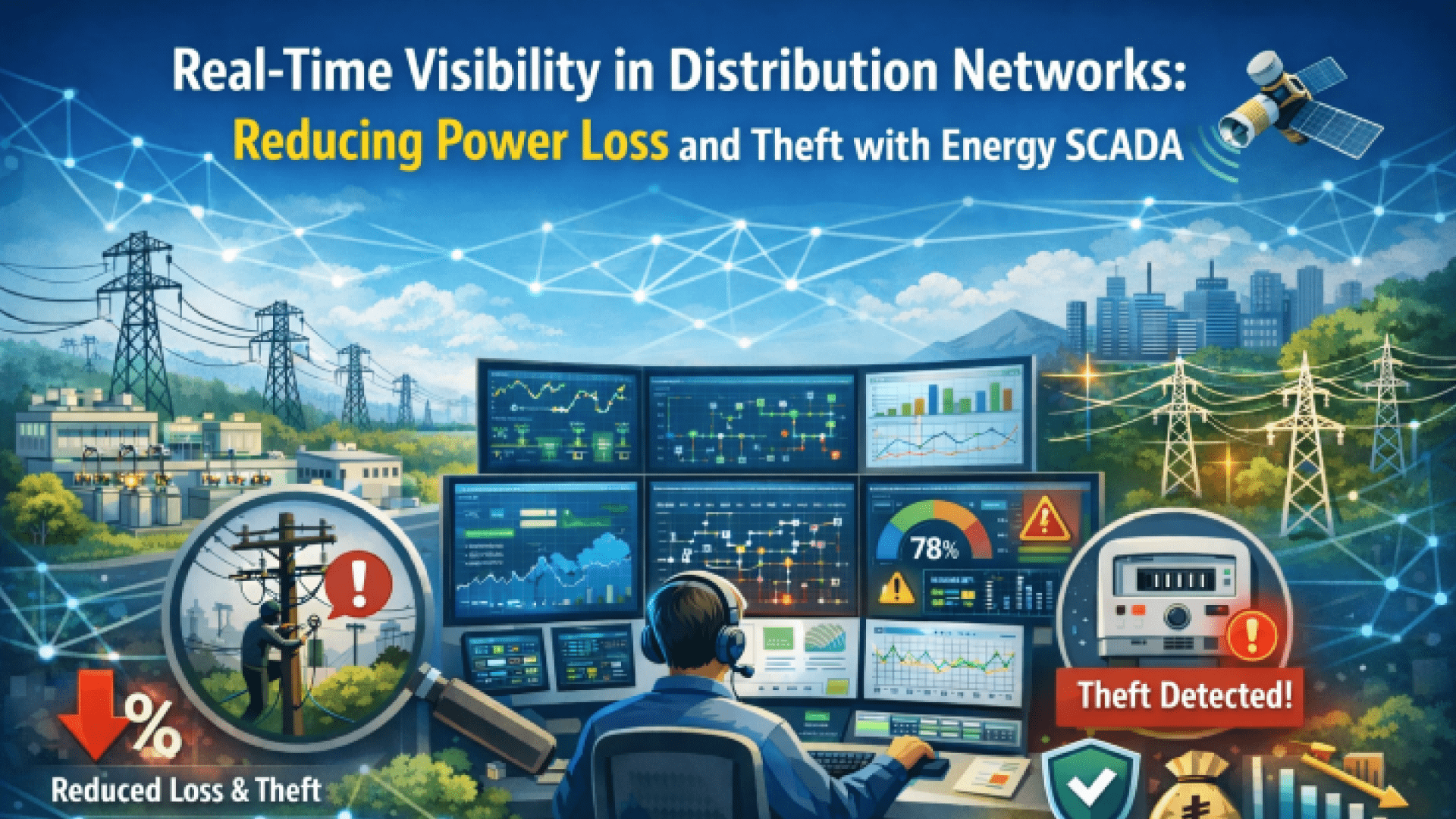
In the evening hours, voltage drops on a feeder, lights flicker on some streets, the field team says “the transformer is overloaded,” but no one at the control center can speak clearly. This picture is common in distribution networks. Because the problem is often not at a single point, but the sum of small deviations spread along the line. This is exactly where an old saying applies: you can’t manage what you can’t measure.
Losses and theft grow with the same logic. A few missing measurements, delayed meter data, incorrect thresholds, a missed connection in the field… As a result, energy enters the system, but the billed energy turns out to be lower than expected. Instead of “estimation,” real-time monitoring is required to close this gap. By keeping the pulse of the network in real time, Energy SCADA accelerates decisions and makes errors visible. This makes it easier to target both technical and non-technical losses.
In this article, we will clarify the following: what Energy SCADA actually sees in the field, what the red flags related to losses and theft are, and how sustainable results can be achieved through power management and field processes.
What Does Energy SCADA Monitor in Real Time in the Field, and Why Is It Important?
A distribution network is not a “straight line” monitored from a single point. It is a living system consisting of feeders from substations, ring lines, distribution transformers, panels, and field measurement points. Energy SCADA collects data from different layers of this system and integrates them on a single screen. The operator can track not only that a failure “occurred,” but also “where and how it started.”
At substations, breaker statuses (open/closed), busbar voltages, feeder currents, and fault records are monitored. At the feeder level, load flow, power factor, phase currents, and voltage drops stand out. On the distribution transformer side, signals such as transformer loading, low-voltage phase imbalance, overheating risk, and compensation behavior become valuable. As field measurement points increase, energy balance becomes clearer.
From a loss and theft perspective, some data provide especially strong “clues.” Current and voltage trends are early indicators of line losses and overloads. Power factor and reactive energy behavior reveal possible compensation deficiencies or incorrect operation. Energy meters (feeder input, transformer output, regional meters) form the basis of energy balance. Harmonics can both affect measurement accuracy and increase equipment losses. Breaker switching events and fault records help detect “recurring” problems, which often amplify losses.
For this visibility to be effective, some basic conditions must be met. Data quality is paramount; incorrect measurements do not produce reliable alarms. Time synchronization is critical, because if event sequences are mixed up, root causes may be missed. Alarm thresholds must also be balanced: too many alarms blind operators, too few cause critical moments to be missed. For those who want a general framework, the page “What Is SCADA and How Does It Work?” is a good starting point.
Which Data Enables Real-Time Monitoring?
Real-time monitoring does not come from a single source; multiple channels work together. The most common sources on the distribution side are:
- Telemetry: Instant measurements from substations, feeder heads, and critical field points (current, voltage, power, status).
- Meter Data: Energy indexes and load profiles from AMI/OSOS or regional meters.
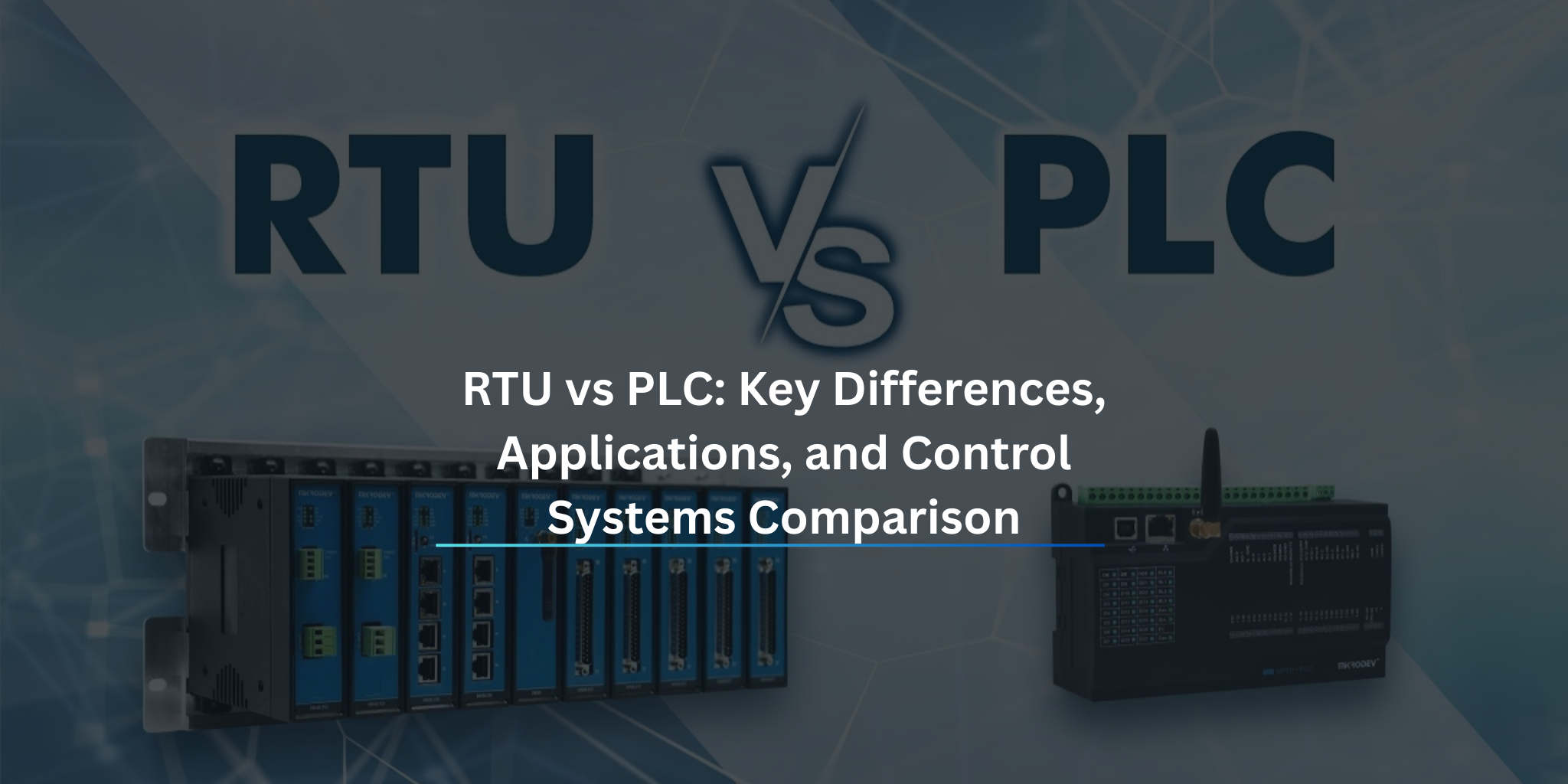
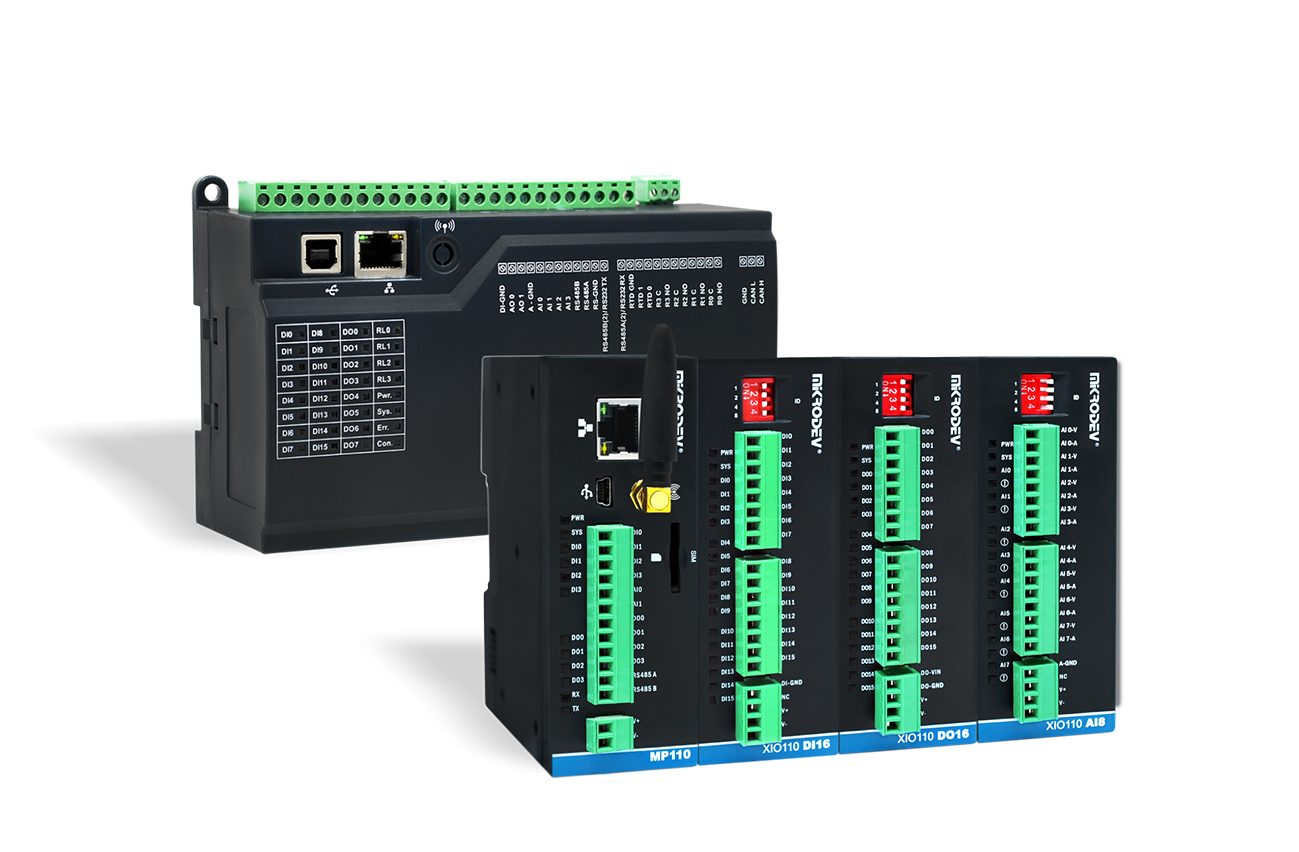
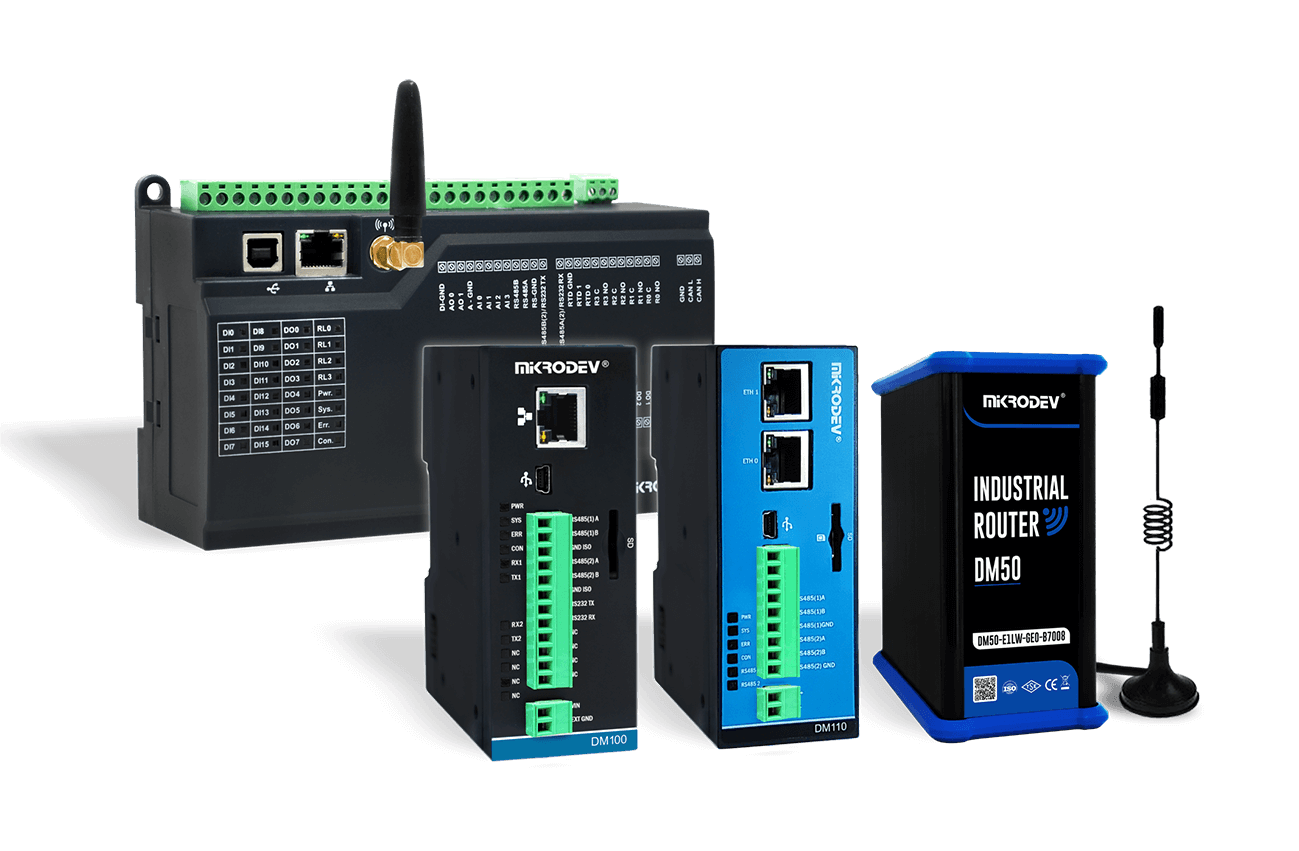
- RTU/PLC: Edge devices that collect and process field data, providing buffering against delays.
- IED: Protection relays and smart devices providing fault records and high-quality measurements.
- Communication: GPRS/LTE, fiber, RF, which determine data speed and continuity.
Delays and data loss increase the risk of incorrect intervention. For example, if a feeder is overloaded for 10 seconds and then normalizes, delayed data may never show this. Packet loss can hide short voltage dips, increasing complaints while weakening evidence.
Red Flags for Loss and Theft: Which Alarms Indicate Risk?
In loss and theft analysis, an alarm is not “proof,” but a guide to the right location. Common examples include:
- Overload alarms
- Low voltage alarms
- Phase imbalance alarms
- Sudden consumption spikes
- Measurement inconsistencies
- Abnormal breaker operations
- Power factor drops
- Increased harmonic levels
For systems targeting real-time visibility, the “Energy Management and SCADA Systems” approach provides a useful framework.
How Does Energy SCADA Reduce Loss and Theft? Field Scenarios
Loss and theft is not a single issue. Technical losses arise from physical laws and are reduced through proper design and operation. Non-technical losses result from metering errors, illegal connections, or tampering.
An effective approach follows four steps: detection, verification, intervention, and monitoring. Alarms and trends support detection. Data comparisons and field feedback enable verification. Intervention involves operational adjustments and equipment replacement. Monitoring ensures sustainability.
For example, low voltage appears in summer evenings, while loss rates increase in winter. SCADA analysis reveals phase imbalance and compensation failures. In another case, feeder input increases while downstream totals remain low, indicating non-technical losses.
Large-scale monitoring examples demonstrate valuable datasets. Applications such as “SCADA Implementation at TEİ TÜSAS” illustrate operational benefits.
Reducing Technical Losses: Load Balancing, Voltage Control, and Reactive Power
Many technical losses grow due to poor operating habits. Two concepts dominate: load balancing and power management.
Energy SCADA shows phase trends, enabling phase transfer planning. This reduces neutral current and losses while improving voltage quality.
For transformers with OLTC, proper voltage targets and deadbands are critical. SCADA detects excessive tap changes or delayed responses.
On the reactive side, compensation systems are monitored. Low power factor increases losses. SCADA limits and controls reveal relay settings, capacitor faults, or CT ratio issues.
Detecting Non-Technical Losses: Measurement Inconsistencies and Suspicious Patterns
The core concept is energy balance. Feeder input is compared with downstream totals. Unexplained gaps raise suspicion.
Typical patterns include sudden drops, off-hour consumption, reverse energy flow, and post-connection anomalies. AMI data strengthens this analysis, but SCADA also leaves traces.
SCADA alone is not legal proof. It directs field teams to the right place and time. Official verification completes the process.
Implementation Roadmap: Measurement Points, Integration, and Security
An Energy SCADA project is not just software. Measurement strategy, data integration, and security define success.
Step one is KPI selection. Loss rate alone is insufficient. Fault duration, voltage violations, imbalance time, and reactive ratios complete the picture. Step two is pilot selection. Step three is field inventory validation.
Integration with AMI/MDM, OMS, GIS, and DMS accelerates operations. Without GIS, operators rely on memory. Without OMS, alarms and work orders disconnect.
For broader context, “The Role of SCADA in Automation Processes” highlights why integration is fundamental.
Starting Right: Critical Measurement Points and Pilot Design
Initial priority should be:
- Feeder head measurements
- Substation busbars and breakers
- Distribution transformers
- Ring lines and separators
- Critical industrial/commercial users
Success criteria must include loss reduction, outage duration, complaint volume, voltage violations, and imbalance duration.
Data Security and Closed-Loop Processes
Energy SCADA is critical infrastructure. Role-based access, event logging, change tracking, and redundancy are essential.
A closed-loop process ensures alarms lead to action:
- Alarm occurs and is prioritized
- Operator checks trends
- Remote control or limit update
- Field work order
- Field verification
- Reporting and optimization
When established, loss reduction becomes part of daily operations.
Fighting losses and theft in distribution networks is not a one-time effort. Real-time monitoring provides early warnings and guides field teams. Power management controls voltage, reactive power, and balance. Data-driven tracking ensures sustainability.
Next steps are clear: select a pilot area, validate critical measurement points, and configure alarms and reports according to operational goals. Loss and theft may seem obscure, but with proper visibility, it becomes a measurable problem. From that point on, improvement is driven by data, not guesswork.